

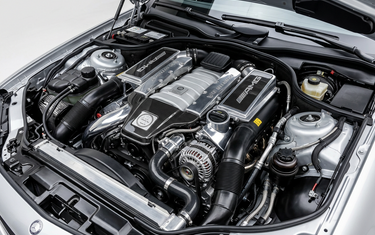
Pop the hood on most cars and you'll find years of dust, leaves, oily grime and road film. A clean engine bay makes the whole car feel cared for, makes it easier to spot leaks, and makes a great impression when you sell. But a lot of people avoid it because they've heard water and engines don't mix.
The truth is that modern engine bays are built to handle rain and road spray. You just need to be gentle, protect the sensitive parts, and skip the high-pressure blasting. Here's how we clean engine bays safely at Vital Detail Supplies.
Before you start: work cool and know your car
- Only work on a cool engine. Let the car sit until the engine and exhaust parts are cool to the touch. Cleaners can flash dry and stain on hot surfaces, and cold water on hot parts is never a good idea.
- Work in the shade so products don't dry before you rinse.
- Take a quick look first. Every engine bay is laid out differently. Note where the air intake, fuse or relay box, alternator, battery and any exposed wiring connectors are.
- Older cars need extra care. Vehicles with exposed ignition parts or worn wiring are more sensitive to water. When in doubt, use the wipe-down method described in Step 5.
Step 1: Remove loose debris
Pull out leaves and debris from the cowl area under the windshield and around the edges of the bay. A blower makes quick work of dust and dry dirt. The BLO Air-S Hand Held Dryer is compact enough to aim into tight spots, and a cordless blower like the EGO POWER+ 880 CFM Blower Kit handles bigger messes. Wear eye protection when blowing out a dusty engine bay.
Step 2: Cover sensitive parts
Before any liquid goes in, protect the parts that shouldn't get soaked. Use plastic bags or plastic wrap, held in place with tape such as Q1 Masking Tape.
- Alternator: it's often low on the engine and has openings that let water in.
- Air intake: cover any open intake or filter box inlet so water can't be drawn in.
- Fuse and relay boxes: make sure the lids are fully closed, then cover them.
- Exposed electrical connectors and anything else that looks like it wouldn't like a soaking.
Remember to remove every cover before you start the car.
Step 3: Apply an all-purpose cleaner or degreaser
Choose your cleaner based on how dirty the engine bay is, and always dilute according to the label.
Light to moderate dirt: all-purpose cleaner
- ADS CLEAN All Purpose Cleaner is citrus-powered and non-caustic, and is listed as safe for surfaces from plastics to wheel wells and engine bays.
- Koch Chemie Green Star is a concentrated universal cleaner that includes engine cleaning among its uses and contains corrosion inhibitors for sensitive materials.
- Yum Cars Citrus is a strong pre-wash cleaner that's also made for engine bay touch-ups.
Heavy grease and oil: degreaser
- Rebels of Shine Yellow Degreaser is a hyper-concentrated cleaner made for wheels, tires, wheel wells and engines.
- Stinger 728 Black Scorpion Degreaser is a heavy-duty, water-based degreaser for grease, oil and road grime on engines.
How to apply: lightly mist the engine bay with plain water first, then spray your cleaner over one area at a time, focusing on the dirtiest spots. Let it dwell briefly, but don't let it dry. Test on a small area first, especially on painted surfaces, bare or polished metal and older plastics.
Step 4: Agitate with brushes
Spray alone rarely gets an engine bay clean. Brushes loosen the grime so it rinses away easily.
- EZ Detail Big EZ Detail Brush: long and flexible, great for reaching down between components and into deep areas.
- Work Stuff Detailing Brush Stiff: hard, chemical-resistant bristles for tough grime on brackets, hoses and lower areas.
- Work Stuff Detailing Brush Albino or a Detail Factory Boar Detailing Brush: softer bristles for plastic covers, painted surfaces and labels.
Work from the outside edges inward, and re-spray cleaner on any area that starts to dry. For stubborn spots, a second round is safer than scrubbing hard.
Step 5: Rinse gently
This is where people get into trouble. Don't use a pressure washer jet on the engine bay, and never aim water directly at electrical parts, connectors or the fuse box, even when they're covered.
- Use a garden hose on a gentle shower or mist setting, with low pressure.
- Rinse from the back of the engine bay toward the front, using only as much water as you need to remove the cleaner.
- For a newer car or one with lots of exposed electronics, you can skip the hose entirely: wipe the cleaner away with damp microfiber towels such as the Autofiber [Utility] All-Purpose Edgeless Microfiber Towel, rinsing the towel often.
Step 6: Dry it thoroughly
- Blow water out of crevices, connectors, bolt holes and around the battery with your blower or dryer.
- Towel dry painted surfaces, plastic covers and the underside of the hood.
- Remove all plastic bags and covers.
- With the hood open, start the engine and let it idle for a few minutes so engine heat helps evaporate any remaining moisture.
Step 7: Dress plastics and rubber
Once everything is dry and the engine has cooled down again, a dressing brings faded plastic and rubber back to a clean, factory look and makes the next cleaning easier. Choose a water-based dressing with a natural or satin finish, not a greasy, high-gloss one that attracts dust.
- GYEON Q²M Preserve: a water-based dresser for plastic, trim and rubber with a natural satin look and UV protection.
- P&S Dynamic Dressing: a versatile dressing listed for engine compartments, tires and trim, with an adjustable finish depending on dilution.
- Yum Cars Dress V2: a water-based rubber and trim dressing that can be diluted for engine bay use.
- Labocosmetica HYDRA Hyper Dressing Sealant: a non-greasy polymer dressing for exterior plastics that resists UV and washout.
Apply the dressing to an applicator such as the Autofiber [Tire Saver] Dressing Applicator rather than spraying it everywhere, then wipe off the excess. Keep dressing off belts, pulleys and anything that grips, and off any surface you'd step on or hold.
Pro tip: A quick wipe-down with diluted all-purpose cleaner every few washes keeps an engine bay looking fresh, so you won't need a full degrease very often.
Engine bay cleaning checklist
- Let the engine cool completely and work in the shade.
- Blow out leaves, dust and loose debris.
- Cover the alternator, air intake, fuse box and exposed electrical parts.
- Apply all-purpose cleaner or degreaser, diluted per the label.
- Agitate with detail brushes.
- Rinse gently with low pressure, or wipe clean with damp towels.
- Blow and towel dry, remove covers, and let the engine idle briefly.
- Dress plastics and rubber once cool, keeping dressing off belts and pulleys.
Not sure which cleaner or dressing is right for your engine bay? Stop by our store at 9121 Garvey Ave in Rosemead or call us at (626) 656-6226 and we'll help you choose the right products and brushes for the job. Happy detailing!
