

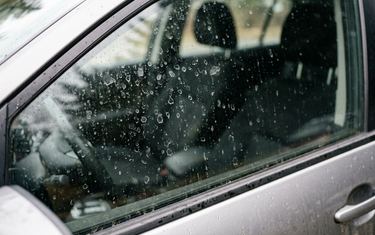
Few things are more frustrating than washing the car, drying it carefully, and still seeing a windshield full of faint rings and dots. Sprinklers, hard tap water and rain that dries in the sun all leave minerals behind on glass. Catch them early and they wipe away. Leave them long enough and they can bond to the glass or even eat into it, and then no amount of glass cleaner will touch them.
The good news is that most water spots on glass come off with the right product and a little patience. The key is to start gentle and only step up when you need to. Here's how we remove water spots from car windows at Vital Detail Supplies.
Two kinds of water spots: mineral deposits vs. etching
Before you grab a product, it helps to know what you're dealing with. Water spots on glass come in two forms, and they need different fixes.
- Mineral deposits sit on top of the glass. When water evaporates, the calcium, magnesium and other minerals it carried stay behind as chalky rings or dots. Because they're on the surface, a mild acid can dissolve them.
- Etching is damage in the glass. When deposits sit for a long time, especially on hot glass in direct sun, they can attack the surface and leave a permanent outline. Chemicals won't fix etching. It has to be polished out.
An easy way to tell them apart: clean the glass, treat a spot with an acidic remover, and look again under good light. If the spot is gone, it was a deposit. If a faint outline is still there after a couple of careful passes, it's etched.
Step 1: Start with a proper glass clean
A lot of what looks like water spotting is really road film, old wiper residue or dried-on grime sitting on top of the minerals. Clean the glass properly first so you can see what's left, and so your mineral remover can reach the spots.
- Wash the car and work in the shade on cool glass.
- Clean the glass with a dedicated glass cleaner such as Koch Chemie Glass Cleaner (Gc), Stoner Invisible Glass Aerosol or Labocosmetica NITIDO High Clarity Glass Cleaner.
- Wipe with a clean glass towel like the Autofiber [No Streak Freak] Waffle-Weave Glass Towel, then buff dry with a second towel.
- Inspect the glass from a few angles. Whatever spots remain are your real target.
Our guide on streak-free glass, inside and out covers technique and towel choice in more detail.
Step 2: Dissolve mineral deposits with an acidic remover
Mineral deposits are alkaline, so a mild acid breaks them down. This is where most water spots on glass come off for good. A few options we carry:
- ADS REGEN Acidic Cleaner is a concentrated acidic cleaner that you dilute for the job, including water spot and mineral scale removal. Dilute it according to the label.
- CarPro IronX LimeScale removes iron fallout and dissolves mineral deposits from hard water in a single step, which makes it handy when you're decontaminating the whole car anyway.
- CarPro Spotless 2.0 uses a balanced blend of acids to break down mineral deposits on most hard surfaces.
- CLEAN. Water Spot Remover v2 is sprayed onto a microfiber towel and wiped on one area at a time, then rinsed.
- DIY Detail Water Spot Remover is a heavy-duty formula made to break down stubborn mineral buildup on paint, glass and metal.
Not sure whether REGEN or its gentler sibling, ADS DETOX Acidic Shampoo, is the right fit? Our DETOX vs. REGEN guide explains when to use each.
How to use an acidic remover safely on glass:
- Wear nitrile gloves and read the label before you start, including any dilution and dwell instructions.
- Test first on a small, hidden area, and keep the product off sensitive trim, rubber seals and bare or polished metal where you can.
- Work one small section at a time on cool glass in the shade. Apply to a towel or an applicator such as the CarPro Glass Rayon Hand Applicator Block, which is designed for removing water spots from glass.
- Never let it dry. Wipe or rinse the area promptly.
- Rinse thoroughly, dry and inspect. Repeat once or twice on stubborn spots rather than leaving the product on longer.
Pro tip: When you're done, wash or rinse the whole car so no acidic residue sits in the window seals or panel gaps.
Step 3: Polish out etching
If you can still see the outline of a spot after a careful acid treatment, it's etched into the glass. Glass is much harder than clear coat, so this takes a dedicated glass polish and some patience.
By machine
CarPro CeriGlass is a glass correction compound with cerium oxide and ceramic abrasives, made to remove severe water spots and light scratches from glass. Pair it with a dedicated glass pad such as the CarPro Glasscut Pad or the Lake Country Glass Polishing Pad on your polisher.
By hand
For lighter etching or smaller areas, Shine Supply Glass Polish Plus is rubbed onto clean, dry glass, allowed to haze and then buffed off. The Soft99 Glaco Glass Compound Roll On has a built-in felt applicator and removes water spots, road film and even old glass coatings, which also makes it a great prep step before a new glass coating.
Polishing tips for glass:
- Mask off rubber seals, cowl panels and nearby trim with Q1 Masking Tape.
- Work a small section with light, even pressure and keep the pad moving. Glass can heat up, and the Lake Country pad's own instructions say to keep the surface wet to prevent overheating.
- Wipe the area clean and check your progress under good light before doing another pass.
- Know when to stop. Very deep etching may only improve, not disappear, and working one spot too long on a windshield can affect clarity. If you're unsure, bring the car by and ask.
Step 4: Seal the glass so spots don't come back
Once the glass is clean and clear, protect it. A glass coating or sealant makes water bead and run off instead of sitting and drying, so minerals have far less time to settle. It also makes the next cleanup much easier. Apply to clean, bare glass and follow the label for application and cure.
- Soft99 Ultra Glaco: a long-lasting rain repellent for car windows.
- GYEON Q² View EVO: a glass coating that bonds to automotive glass and helps keep water, dirt and road film from sticking.
- Shine Supply Beadlock Glass Ceramic Coating: a nano ceramic coating made specifically for exterior glass.
- KATIBA x Vanguard Super Fusso Glass Coating: an SiO2 and graphene glass repellent.
- DIY Detail Envie Glass Sealant: a ceramic-infused glass cleaner and sealant you can use at every wash to keep protection topped up.
A few habits help just as much as any product: park away from sprinklers, dry the glass after washing instead of letting it air dry, and never let water dry on hot glass in direct sun.
Your water spot removal checklist
- Wash the car and work in the shade on cool glass.
- Clean the glass with a dedicated glass cleaner and inspect what's left.
- Treat remaining spots with an acidic mineral remover, one small section at a time, wearing gloves.
- Never let the remover dry. Rinse thoroughly and inspect again.
- Polish any etching that remains with a glass polish and a glass pad or applicator.
- Clean the glass once more and apply a glass coating or sealant.
- Dry the glass after every wash to keep new spots from forming.
Not sure whether your spots are mineral deposits or etching? Stop by our store at 9121 Garvey Ave in Rosemead or call us at (626) 656-6226 and we'll help you pick the right remover, polish and coating for your glass. Happy detailing!
